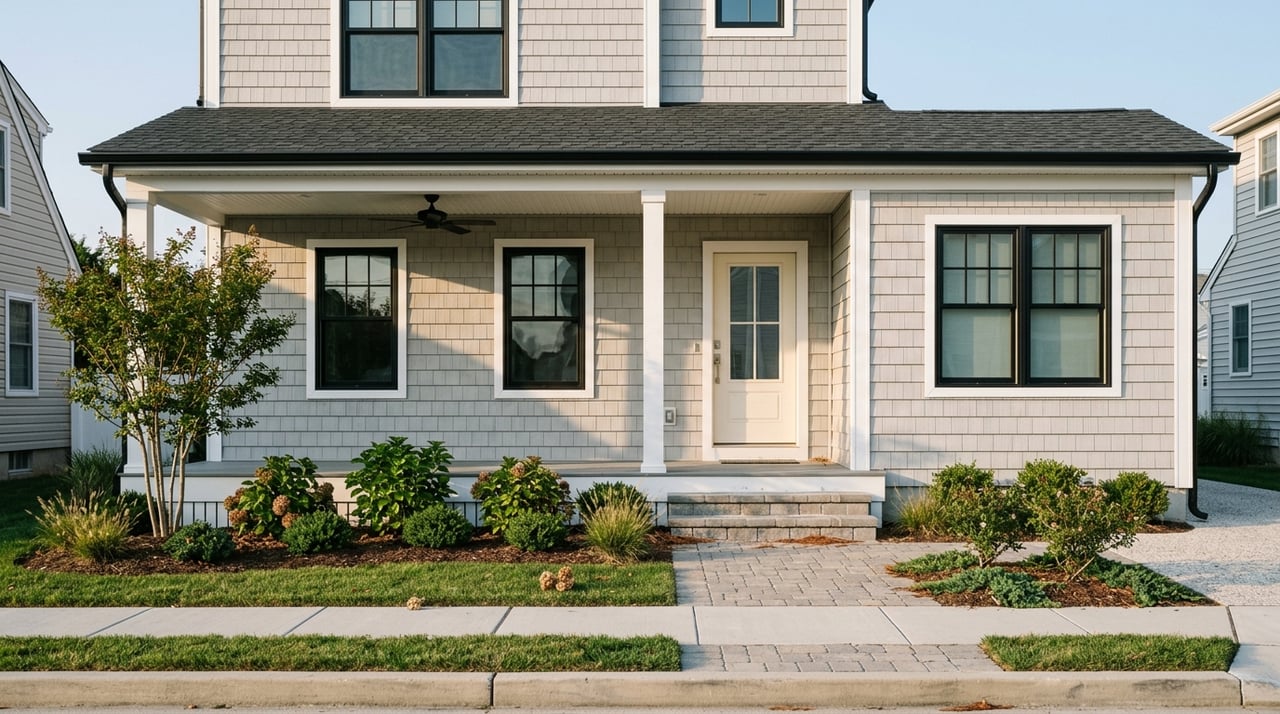
Waterfront shopping in Little Egg Harbor can look simple at first glance. You see the view, imagine the boat out back, and start comparing photos. But in this market, the smartest buyers know the real question is not just how the home looks. It is how the water access works, what the property setup allows, and what ownership may require over time. This guide will help you shop Little Egg Harbor waterfront and lagoon homes with more clarity and confidence. Let’s dive in.
Start With Your Water Access Goal
In Little Egg Harbor, not all waterfront living feels the same. The township sits within the Barnegat Bay-Little Egg Harbor estuary, and local water access connects to a larger boating system that includes ocean exchanges such as Little Egg Inlet and Barnegat Inlet. That means your day-to-day experience can vary a lot depending on where the home sits and how exposed the water is.
Before you focus on finishes or square footage, decide what kind of access profile fits your lifestyle best. In this area, that often means comparing lagoon-front, bayfront, or marina-access living. That one decision can shape everything from boating ease to maintenance expectations.
Lagoon-Front Living
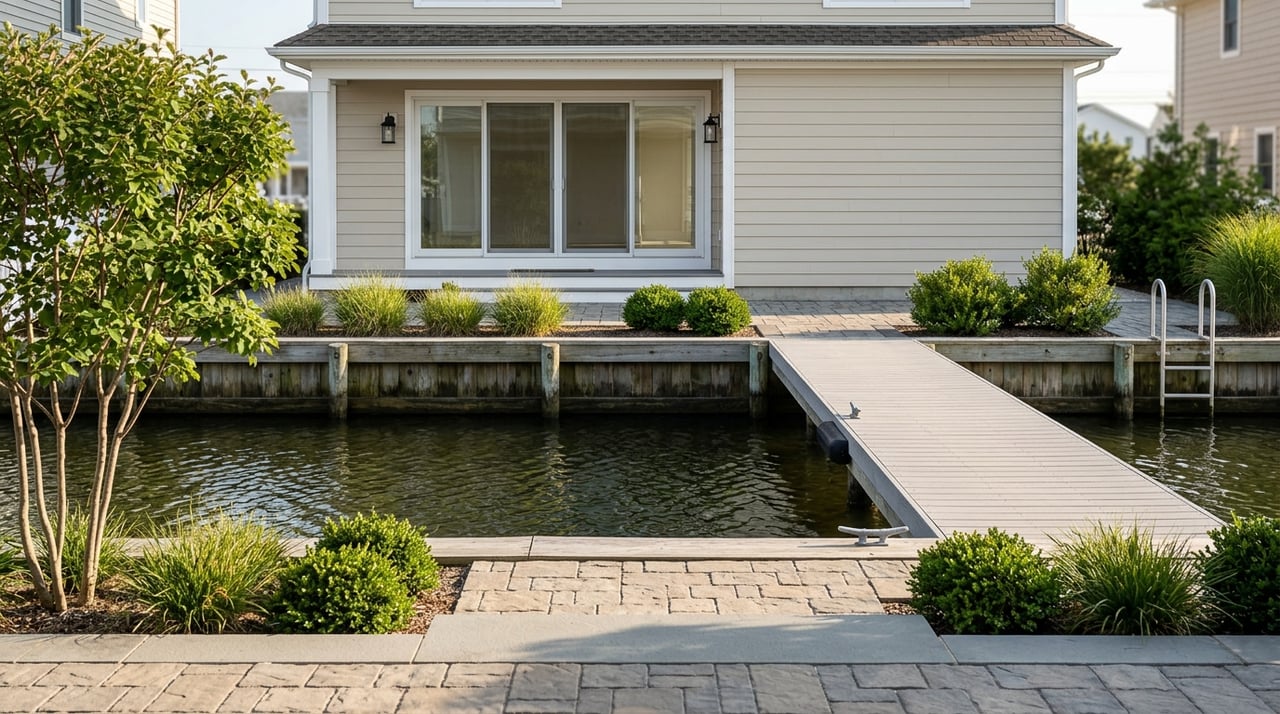
Lagoon homes are often the first stop for buyers who want to keep a boat close to home. Many listings highlight features like bulkhead length, dock utility, and more protected-water positioning. Current examples in Little Egg Harbor include homes with 77 feet of vinyl bulkhead on a protected cove and others with 100 feet on a wide lagoon.
If you want calmer water and a setup designed around direct docking, lagoon-front living may be the most practical fit. It can also make it easier to focus your search on the details that matter most, such as frontage, turning room, and the condition of the bulkhead.
Bayfront and Wider Water Exposure
Some buyers want more open water views and a different feel than a tucked-in lagoon location. In those cases, the view may be a major draw, but wider-water exposure can also come with different conditions and property considerations. That is why it helps to treat the water itself as part of the property, not just the backdrop.
The local estuary system matters here. Since access to Little Egg Harbor and nearby bay waters is shaped by inlets and tidal conditions, a wider-water property should be evaluated for both lifestyle appeal and practical use.
Marina-Access and Lower-Upkeep Options
If you want waterfront benefits without taking on as much exterior work, townhome-style options can be worth a close look. In Little Egg Harbor, current examples include Osborn Island properties with direct beach, bay, and marina access plus a low monthly HOA.
For some buyers, this is the sweet spot. You still get the water-oriented lifestyle, but you may have less exterior maintenance than a standalone lagoon-front home with its own full waterfront frontage.
Know What Inventory Looks Like
Little Egg Harbor does not offer just one waterfront home style. Current listings show a mix of ranches, raised ranches, colonials, and raised townhomes. That variety is helpful, but it also means you should stay focused on function first.
A raised waterfront ranch may appeal if you want easier everyday living with elevation already part of the design. A colonial on a wide lagoon may offer more interior space and flexible layout. A townhome may work well if you want waterfront access with a simpler ownership experience.
Think Access First, Style Second
It is easy to fall in love with a kitchen, deck, or primary suite. Still, waterfront shopping in Little Egg Harbor usually goes better when you rank the property by access profile first. Ask yourself whether you want protected lagoon docking, wider bay exposure, or marina-based convenience.
Once that is clear, the home style becomes easier to evaluate. You can compare ranches, raised homes, and townhomes through the lens of how well they support your actual goals.
Understand Local Price Ranges
Little Egg Harbor offers a broad spread of price points, which is one reason the market draws different types of waterfront buyers. As of April 2026, Realtor.com reported a median listing price of $479,900, a median sold price of $425,000, and 37 median days on market. Redfin’s May 26, 2026 township snapshot showed a median sale price of $415,000 and 35 days on market.
That gives you useful context, but waterfront pricing can swing much higher depending on the location, water access, and property features. Current waterfront listings have ranged from around $499,000 and $539,900 to $894,000, $974,900, $1.275 million, $1.299 million, and $1.895 million. A current bay-access townhome example was listed at $375,000.
Use Neighborhood Benchmarks Carefully
If you are focused on lagoon-heavy inventory, Mystic Islands can be a useful reference point. Realtor.com neighborhood data showed a median listing price of $579,900 and median days on market of 35 days there.
That does not mean every lagoon home should be measured the same way. Bulkhead condition, water frontage, home elevation, dock setup, and property type can all create meaningful price differences even within the same general area.
Shop With a Waterfront Checklist
Buying near the water means your due diligence should go beyond the usual bedroom-bathroom checklist. In Little Egg Harbor, the right questions often involve floodplain rules, bulkheads, docks, and permits.
A pretty exterior photo cannot tell you whether the mechanicals are placed correctly, whether the bulkhead was installed to current standards, or whether a dock arrangement is fully private. Those are the details that deserve early attention.
Ask About Flood Zone and Elevation
Little Egg Harbor’s flood guidance directs owners to FEMA and region2coastal for zone determination and explains the role of elevation certificates. The township also notes that a structure at or above the one-percent-annual-chance flood elevation can seek a LOMA.
The township’s floodplain permit instructions add important details for buyers. Mechanical systems must be above the Design Flood Elevation, enclosed areas below that elevation are limited to storage, parking, or access, and more exposed coastal flood zones may require professional certification and breakaway walls.
Review Bulkhead Condition and History
Bulkheads are a major part of waterfront ownership in this market. Township code says private waterfront lots that abut tidal waterways must be bulkheaded to township and NJDEP standards, and lagoon frontages require marine bulkheading along the entire frontage.
The code also flags common signs of deterioration, including bowed or leaking members, holes, settlement or sinkholes, and backfill deposited seaward of the wall. If you are shopping lagoon homes, this should be one of your first due-diligence conversations.
Confirm Permits and Tidelands Issues
NJDEP says new or replacement bulkheads in tidelands areas may require a license or grant. That means permit history is not just a paperwork detail. It can affect what was done, what may still be needed, and how future work could be handled.
Ask for available records early in the process. If a waterfront feature is a major part of the property’s value to you, you want clarity before you get too far down the road.
Clarify Dock and Lift Rights
Not every waterfront setup works the same way. A dock or boat lift may be deeded, shared, or tied to a marina arrangement rather than owned in the way buyers assume.
A smart buyer should confirm exactly what is included. That can help you avoid confusion about usage, maintenance, and access after closing.
Look for Boating Support Nearby
A home’s waterfront setup matters, but so does the surrounding support network. Ocean County’s marina inventory includes multiple facilities in Little Egg Harbor, and local marina sites show amenities such as slips, boat ramps, fuel, pump-out service, and maintenance.
That infrastructure adds practical value for boaters. The Barnegat Bay Partnership also states that Ocean County pumpout boats operate throughout Barnegat Bay and Little Egg Harbor Bay from Memorial Day through late September, which is another useful sign of active boating support in the area.
Balance Lifestyle With Ownership Costs
Waterfront shopping usually works best when you balance excitement with realism. A home with direct docking and a wide lagoon may offer the lifestyle you want, but it may also bring more maintenance and more records to review. A raised home may support flood-related planning better, while a townhome may reduce some exterior responsibilities.
There is no one-size-fits-all answer in Little Egg Harbor. The right fit depends on how you plan to use the property, what level of upkeep feels manageable, and how carefully the home’s water-access features have been documented.
How to Narrow Your Search Faster
If you want to shop more efficiently, build your shortlist around a few practical filters before you tour. That can save you time and keep you focused on homes that truly fit.
Start with these questions:
- Do you want lagoon-front, bayfront, or marina-access living?
- Do you need direct dockage at home?
- Would a raised home make you more comfortable from a flood-planning standpoint?
- Are you open to a townhome if it means less exterior upkeep?
- What bulkhead condition or replacement risk are you comfortable taking on?
- Have you budgeted for early insurance quotes and waterfront-related due diligence?
Why Local Guidance Matters
In Little Egg Harbor, waterfront shopping is as much about process as it is about property. You are not only comparing layouts and finishes. You are also weighing water access, structure type, maintenance expectations, and permit history.
That is where steady, local guidance can make a real difference. When you have someone helping you sort through the practical details, it becomes much easier to spot the right opportunity and avoid expensive surprises.
If you are thinking about buying a waterfront or lagoon home in Little Egg Harbor, Ashley M Veith can help you sort through the inventory, ask the right questions, and move forward with a clear plan.
FAQs
What should you check first when shopping Little Egg Harbor waterfront homes?
- Start with the access profile: lagoon-front, bayfront, or marina-access. Then review flood-zone details, elevation information, bulkhead condition, dock rights, and permit history.
How do lagoon homes in Little Egg Harbor differ from bayfront homes?
- Lagoon homes often focus on protected-water living, dock utility, and bulkhead frontage, while bayfront homes may offer wider water exposure and a different boating and weather experience.
What home styles are common for Little Egg Harbor waterfront properties?
- Current inventory includes ranches, raised ranches, colonials, and raised townhomes, so you can compare different layouts and maintenance levels depending on your goals.
What is the current price range for waterfront homes in Little Egg Harbor?
- The market shows a wide spread, with current examples ranging from about $375,000 for a bay-access townhome to listings near $1.895 million for higher-priced waterfront properties.
Why does bulkhead history matter for Little Egg Harbor lagoon homes?
- Township code requires marine bulkheading along lagoon frontage, and condition issues such as bowing, leaks, holes, settlement, or sinkholes can affect maintenance needs and future costs.
What flood-related documents should you request for a Little Egg Harbor waterfront home?
- Ask for the elevation certificate, flood-zone determination, and any available floodplain or permit records so you can better understand the property’s setup and requirements.