Thinking about selling your Toms River home in the next few months? The biggest mistakes usually happen before a listing ever goes live. If you want a smoother sale, stronger buyer interest, and fewer last-minute surprises, it helps to follow a clear plan from the start. Here’s a practical step-by-step roadmap to help you prepare, price, launch, and close with confidence.
Why planning matters in Toms River
Toms River is a large, mostly owner-occupied community, and the housing market is active, but buyers are paying attention to price and condition. Recent public market snapshots show homes selling in roughly 29 to 46 days depending on the source, with list-to-sale ratios near full price in Ocean County, but those numbers should be read directionally because each source tracks the market differently.
The bigger takeaway is simple: you cannot rely on a broad township average and hope buyers overlook issues. In Toms River, realistic pricing, solid prep, and a polished first impression matter more than trying to adjust after the home hits the market.
Start with your exact submarket
Toms River has a wide pricing spread by ZIP code. Public market data shows median listing prices ranging from about $325,000 in 08701 to about $1.25 million in 08735. That means your home should be measured against similar nearby sales, not against one township-wide number.
A strong pricing conversation should focus on sold comparable homes that match your location, property type, size, and condition. Active listings are useful context, but closed sales usually give the clearest picture of what buyers have actually been willing to pay.
Why broad averages can hurt sellers
If you price too high because you used the wrong comparables, you may lose momentum during the most important days on market. If you price too low without a strategy, you may leave value behind.
The goal is not to chase a headline number. The goal is to price your home where serious buyers will see it as well-positioned for its part of Toms River.
Follow a 60 to 90 day prep plan
If you are within a few months of listing, this is the ideal time to get organized. A structured timeline can help you avoid rushed decisions and reduce stress later.
Step 1: Sort repairs into three buckets
Start by dividing work into clear categories:
- Must-fix items such as safety concerns, water intrusion, drainage issues, or active leaks
- High-visibility cosmetic fixes such as paint touch-ups, worn flooring areas, dated light fixtures, or damaged hardware
- Can-wait projects that are not likely to change buyer interest enough to justify the cost right now
This matters even more in Toms River because much of the housing stock is older. Township housing data shows that more than half of owner-occupied homes were built before 1980, so buyers often expect normal age-related wear. In many cases, visible maintenance and smart updates make more sense than a major remodel right before sale.
Step 2: Gather documents early
Do not wait for a buyer to ask for paperwork. Build your file while you are still prepping the home.
Helpful items may include:
- Seller disclosure forms
- Permits for completed work
- Service and maintenance records
- Appliance or system warranties
- HOA or association documents, if applicable
- Flood-related documents such as prior claims or an elevation certificate, if applicable
Having these ready can make your listing package cleaner and help reduce delays once you are under contract.
Step 3: Review flood and water-related history
This step is especially important in New Jersey. The seller disclosure statement asks about water leakage, dampness, mold, flood hazard zones, drainage or flood problems, wetlands, shared driveways or structures, flood insurance, elevation certificates, flood claims, and past flood damage.
Since March 20, 2024, New Jersey law has also required sellers to disclose specific flood-risk information before the purchaser becomes obligated under a property purchase contract. In practical terms, that means you should gather these records early instead of scrambling for them later.
Step 4: Check lead-based paint requirements
If your home was built before 1978, lead-based paint disclosure rules may apply. This is another reason to sort your documents well before your listing goes live.
Make your home photo-ready 30 to 45 days out
Your first online impression can shape everything that follows. By the time your home is photographed and listed, it should look finished, clean, and ready to show.
Focus on the updates buyers notice first
You do not need to overhaul the whole house. In many homes, the best return comes from practical presentation work, including:
- Deep cleaning
- Decluttering surfaces and storage areas
- Painting the most worn rooms
- Refreshing landscaping
- Fixing obvious visual distractions
- Creating a more open feel in smaller rooms
When buyers see a home that feels cared for, they are better able to picture themselves there. That can lead to stronger interest and fewer questions about deferred maintenance.
Avoid listing mid-project
If you are aiming for a spring listing, plan to finish prep before the busy season instead of during it. Market activity tends to pick up when new listings and contract signings rebound, so it helps to launch once the home is fully ready rather than while vendors are still coming and going.
Launch with pricing and presentation aligned
The first days on market matter. In a market that can look balanced in one report and more competitive in another, the safest strategy is to make your debut count.
That means your list price, photos, condition, and showing readiness should all work together. Buyers are more likely to respond when the home looks complete and the price feels grounded in the right submarket.
What sellers should aim for at launch
Before your home goes live, try to have these pieces in place:
- Final pricing based on recent sold comps
- Completed visible repairs
- Clean, uncluttered rooms
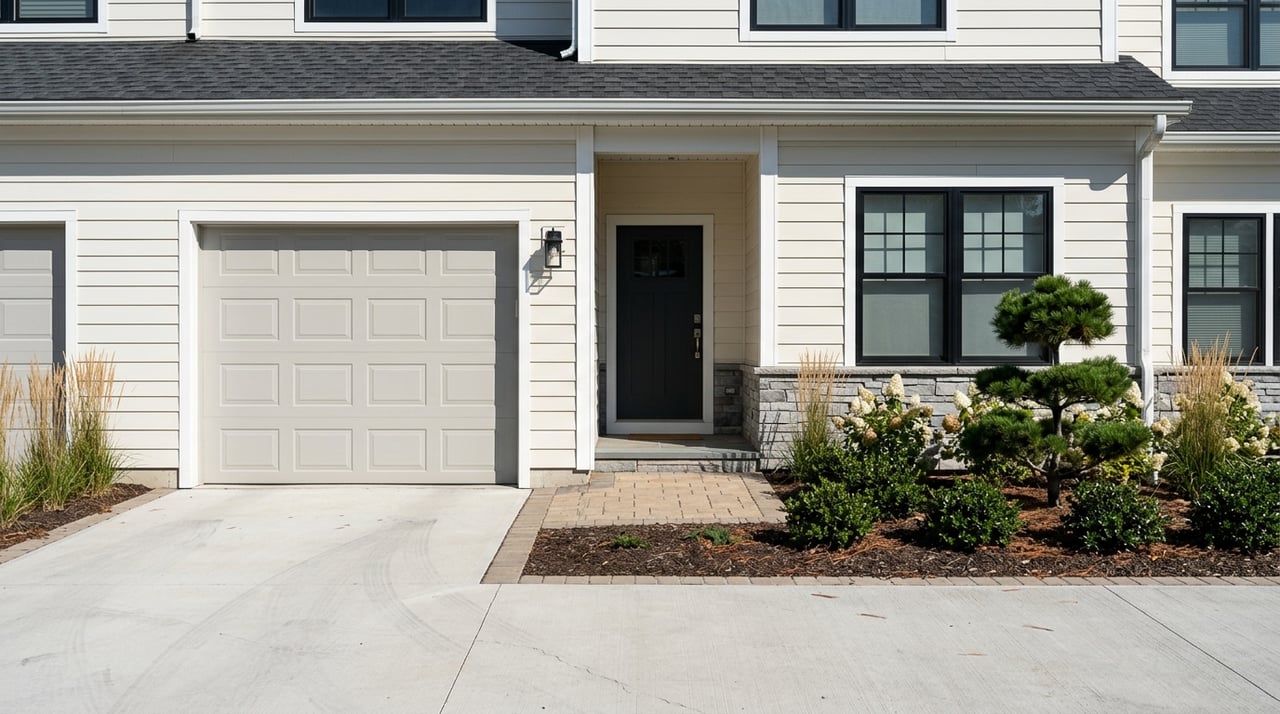
- Strong curb appeal
- Organized disclosures and supporting documents
- A showing plan that keeps the home easy to access
This kind of launch helps you avoid the common pattern of reducing price after a slow start that could have been prevented.
Know what happens after you accept an offer
Many sellers focus so heavily on getting an offer that they forget the process continues after that point. In New Jersey, the period between contract acceptance and closing includes several important steps.
Attorney review comes first
A contract prepared by a real estate licensee in New Jersey includes a three-business-day attorney review clause once the fully signed contracts are delivered. During this time, the contract can be reviewed, modified, or disapproved.
This is one reason sellers should stay flexible and organized even after accepting an offer. The deal is moving forward, but there are still steps to complete.
Inspection and due diligence follow
After the contract becomes binding, an independent home inspection is highly recommended. Depending on the property, the transaction may also involve title work, termite items, a survey, well or septic issues, flood-related questions, radon, smoke-detector certification, or certificate-of-occupancy requirements.
For sellers, this is where early preparation pays off. If you already have records, repair history, and disclosures organized, you are in a better position to respond quickly and keep the deal moving.
Closing usually takes time
A signed offer does not mean you will close next week. Current market research suggests that homes going under contract often close in about 30 to 60 days.
That means your moving timeline, repair commitments, and possession plans should stay flexible. Planning ahead can help you avoid unnecessary stress during the final stretch.
Expect a final walkthrough
A final walkthrough is typically done the day before closing. Buyers usually use this step to confirm the home is in the expected condition and that any agreed-upon items have been handled.
This is another reason to keep documentation and repair receipts organized through the very end of the transaction.
Common seller mistakes to avoid
Even well-intentioned sellers can create extra work for themselves by missing a few key steps. Most of these issues are preventable with early planning.
Misstep 1: Pricing from a town-wide average
Toms River covers different submarkets with very different price points. Using broad averages instead of exact local comps can push your pricing off course from day one.
Misstep 2: Waiting for perfect before starting
You do not need a perfect home to begin preparing. In fact, waiting too long can create a rushed timeline and force decisions that cost more than they should.
Misstep 3: Ignoring water or flood documentation
Water history, drainage issues, and flood-related records are important in New Jersey disclosures. If you know these questions are coming, it is smarter to prepare now.
Misstep 4: Over-renovating right before sale
With older housing stock, sellers often get better results from visible maintenance and practical updates than from a full remodel. Large projects can eat up time and money without guaranteeing a matching return.
Misstep 5: Treating contract steps as an afterthought
Attorney review, inspection, title work, and final walkthrough all matter. A successful sale is not just about getting an offer. It is about managing the whole process well.
Your Toms River seller roadmap at a glance
If you want the short version, here is the most practical plan:
- Price from exact submarket comps, not township averages.
- Fix safety, water, and high-visibility issues first.
- Gather disclosures, permits, and flood-related records early.
- Make the home fully photo-ready before launch.
- Enter the market with a realistic price and polished presentation.
- Stay prepared for attorney review, inspection, and a 30 to 60 day closing timeline.
Selling in Toms River does not have to feel overwhelming when you break it into steps. With a clear strategy, realistic pricing, and organized prep, you can move through the process with more confidence and fewer surprises. If you are getting ready to sell in Ocean County and want hands-on guidance from pricing through closing, connect with Ashley M Veith.
FAQs
What should you fix first before selling a home in Toms River?
- Start with safety issues, active leaks, water intrusion, drainage concerns, and other must-fix items first, then move to high-visibility cosmetic updates like paint, cleaning, and curb appeal.
When should you start preparing to sell a home in Toms River?
- A good planning window is about 60 to 90 days before listing so you have time to price correctly, sort repairs, gather documents, and get the home photo-ready.
What documents should you gather before listing a Toms River home?
- Sellers should gather disclosure forms, permits, service records, warranties, HOA documents if needed, and flood-related records such as prior claims or elevation certificates when applicable.
What flood disclosures apply when selling a home in New Jersey?
- New Jersey seller disclosures ask about flood zones, drainage and flood problems, flood insurance, elevation certificates, flood claims, and past flood damage, and state law requires specific flood-risk disclosures before a purchaser becomes obligated under contract.
What happens after you accept an offer on a Toms River home?
- After acceptance, sellers should expect attorney review, inspection-related steps, title and property due diligence, and typically a final walkthrough before closing.
How long does it usually take to close after going under contract in New Jersey?
- A common planning range is about 30 to 60 days from contract to closing, so it is wise to keep moving and possession plans flexible.